Introduction
Osteoarthritis is the most common form of arthritis and affects more than 500 million people worldwide. It typically involves progressive cartilage breakdown, changes in the underlying bone and inflammatory processes in surrounding tissue. Pain, stiffness and reduced mobility may result.
There is currently no cure. Modern treatment approaches combine movement, weight management, physiotherapy, medical care and appropriate nutritional strategies. Cannabidiol, or CBD, is increasingly being studied in this context.
What is CBD?
CBD is one of more than 100 naturally occurring cannabinoids in the plant Cannabis sativa. Unlike THC, CBD is not intoxicating.
CBD influences several biological signalling pathways, including components of the endocannabinoid system. This system is involved in pain processing, inflammation, immune responses and tissue homeostasis. CBD does not bind strongly to classic cannabinoid receptors but modulates various signalling pathways.
CBD and osteoarthritis: current research
Preclinical studies suggest that CBD may influence inflammatory responses and pain signals involved in osteoarthritis. However, clinical evidence in humans is still developing.
Studies of topical and oral CBD show mixed, sometimes encouraging results. Some report improvements in pain and physical function, while others find smaller or no clear effects. Systematic reviews therefore call for further large, high-quality studies.
Why topical CBD?
Topical CBD products are applied directly to the skin over muscles or joints. This local application is intended to provide targeted care for specific areas without a systemic intoxicating effect.
Topical formulations are often used as a practical addition to a daily joint routine. They replace neither movement nor medically recommended treatment.
PuraMouv®: targeted muscle and joint care
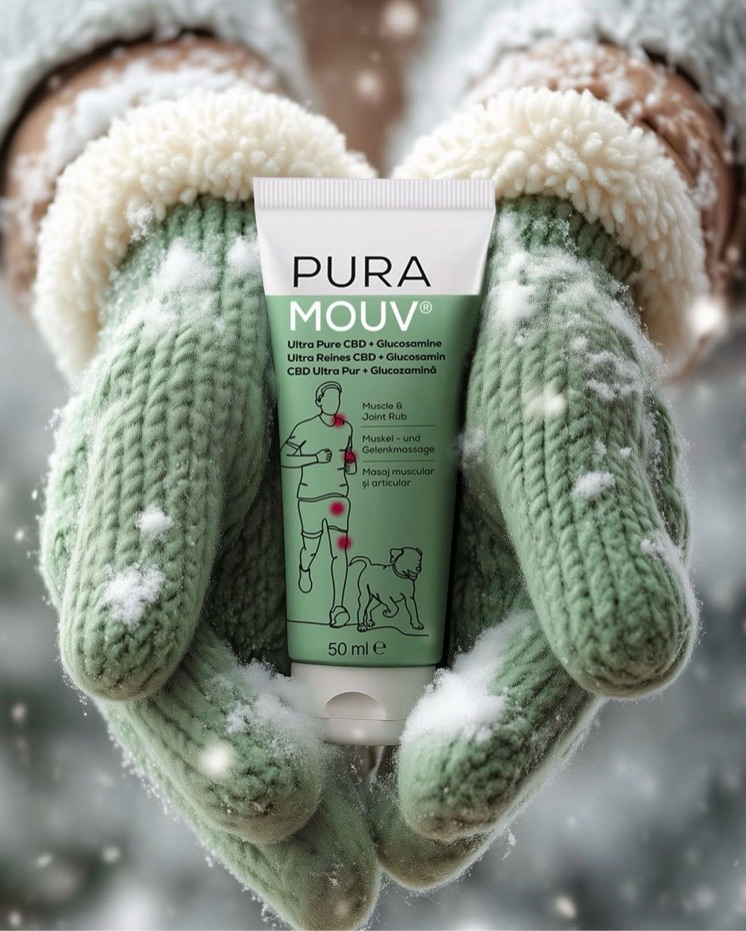
PuraMouv® is the complementary topical CBD formulation within the CollaMouv® routine. Developed for direct application to muscles and joints, it combines CBD with selected complementary ingredients.
It is intended as part of a comprehensive approach that includes a balanced diet, regular movement and an active lifestyle.
Joint care from the inside and outside
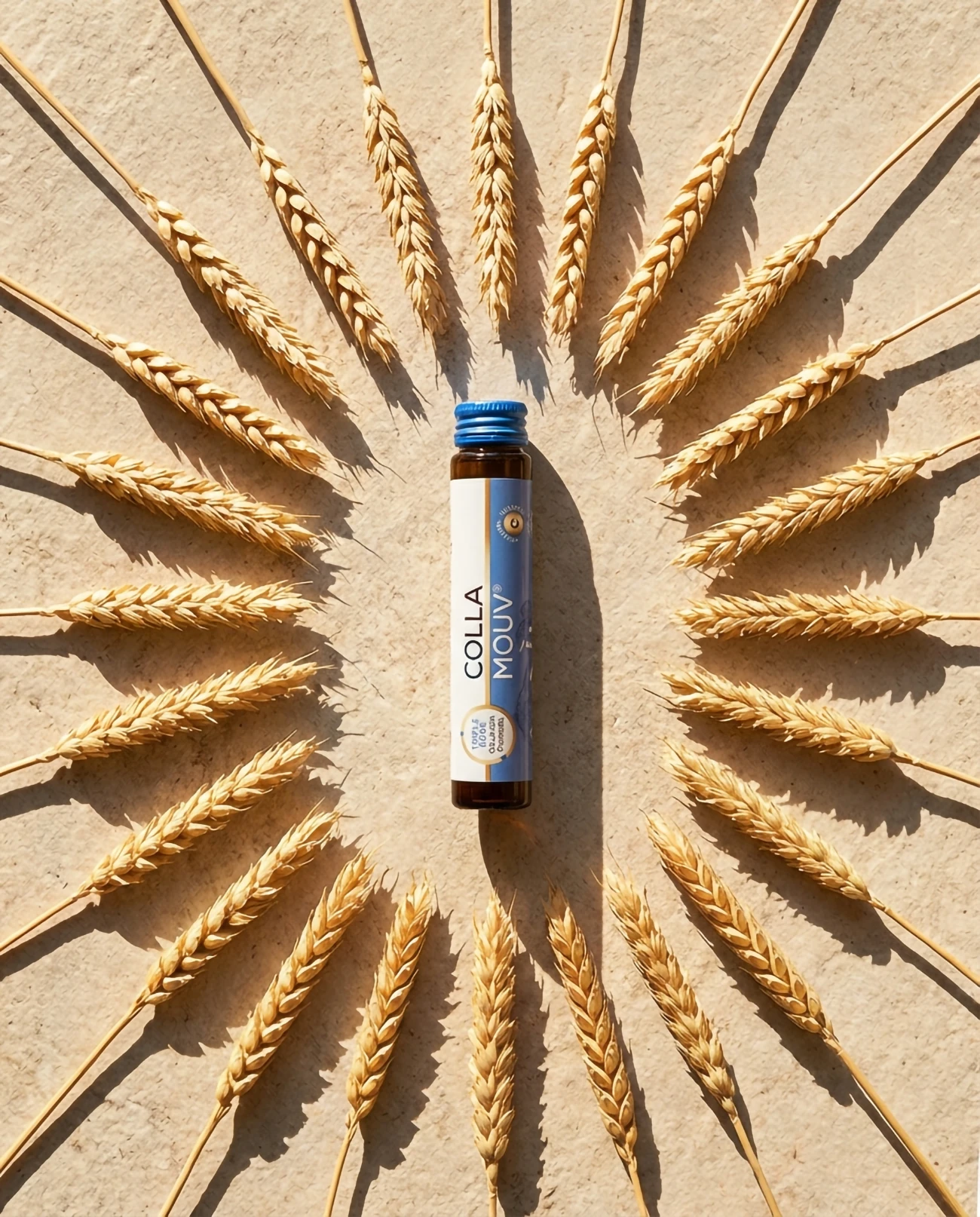
No single ingredient addresses every aspect of healthy joint function. CollaMouv® supports the routine from within with nutrients such as Kölligreich® collagen peptides and, depending on the product, native type II collagen, glucosamine, chondroitin, hyaluronic acid and selected vitamins.
PuraMouv® complements this strategy externally through targeted application to muscles and joints. No published clinical studies currently examine the specific combination of these two products; their intended roles are complementary.
Safety
Overall, CBD has shown a favourable safety profile in clinical studies. Mild skin irritation may occur in sensitive individuals with topical use.
Products should be used according to the manufacturer’s instructions. People who are pregnant, breastfeeding, taking medication or living with an existing condition should seek medical advice before use.
Conclusion
Research into CBD and osteoarthritis is developing rapidly. Current evidence suggests a possible supportive role within a comprehensive joint strategy but is not yet sufficient for definitive conclusions. Movement, weight management, physiotherapy and medical care remain central pillars.
Sources
- Hunter DJ, Bierma-Zeinstra SMA. Osteoarthritis. Lancet. 2019;393:1745–1759.
- Kolasinski SL et al. ACR Guideline for Osteoarthritis Management. Arthritis Care & Research. 2020.
- Philpott HT, O'Brien M, McDougall JJ. Cannabidiol in Rat Osteoarthritis. Pain. 2017.
- Vela J et al. Cannabidiol for Pain Management in Osteoarthritis: A Systematic Review. Journal of Clinical Medicine. 2024.
- National Academies of Sciences, Engineering, and Medicine. The Health Effects of Cannabis and Cannabinoids. 2017.
This article is for general information only. It does not replace medical diagnosis, advice or treatment.