Introduction
Osteoarthritis is the most common form of arthritis and a leading cause of pain and limitations in later life. It affects more than 500 million people worldwide.
“Wear and tear” is an incomplete description: osteoarthritis affects the entire joint, including cartilage, bone, synovial tissue, ligaments, muscles and inflammatory pathways.
What is osteoarthritis?
Osteoarthritis is a chronic degenerative joint disease. Articular cartilage, the smooth tissue covering the ends of bones, gradually loses thickness and resilience.
Changes in the subchondral bone, bone spurs, mild inflammation of the joint lining and weakening of surrounding muscles and ligaments may also occur. These processes can cause pain, stiffness and restricted movement.
Causes and risk factors
Osteoarthritis usually develops through a combination of factors:
- Age: The cartilage’s ability to repair itself declines.
- Excess body weight: Increases mechanical load, particularly on knees and hips.
- Previous injuries: Sports injuries, fractures and ligament damage increase later risk.
- Genetics: Some people inherit a greater susceptibility.
- Repetitive loading: Sustained occupational or sporting loads can contribute over time.
Common symptoms
- Joint pain during or after activity
- Morning stiffness, often lasting less than 30 minutes
- Reduced range of movement and swelling
- Cracking or grinding in the joint
- Difficulty climbing stairs
- Reduced walking distance and physical function
Knees, hips, hands and the spine are particularly commonly affected.
Diagnosis and monitoring
Diagnosis typically relies on medical history, a physical examination and, where useful, X-rays. MRI may be used for more complex questions.
The WOMAC index is often used to assess pain, stiffness and physical function in a structured way.
Can osteoarthritis be cured?
There is currently no treatment that can cure osteoarthritis or reliably regenerate damaged human joint cartilage completely. Evidence-based measures can, however, reduce pain, improve mobility and function, and maintain quality of life.
Evidence-based treatment options
1. Regular movement
Walking, swimming, cycling, strength training, mobility and balance exercises strengthen the muscles around the joints and improve stability.
2. Healthy body weight
Even moderate weight loss can improve pain and function in knee osteoarthritis.
3. Physiotherapy
Individual programmes can improve joint mobility, muscle strength, balance and everyday function.
4. Nutritional support
Hydrolysed collagen peptides, native type II collagen, glucosamine, chondroitin, hyaluronic acid and vitamins C and D are being studied scientifically. They are not cures and should be part of a comprehensive approach.
The role of collagen
Collagen is a key structural protein in cartilage, tendons, ligaments and other connective tissues. Clinical studies investigate hydrolysed collagen peptides in relation to joint comfort, mobility and physical function.
Connective tissue remodelling is slow. Studies therefore usually assess consistent daily intake over several months.
CollaMouv® and Health Canada
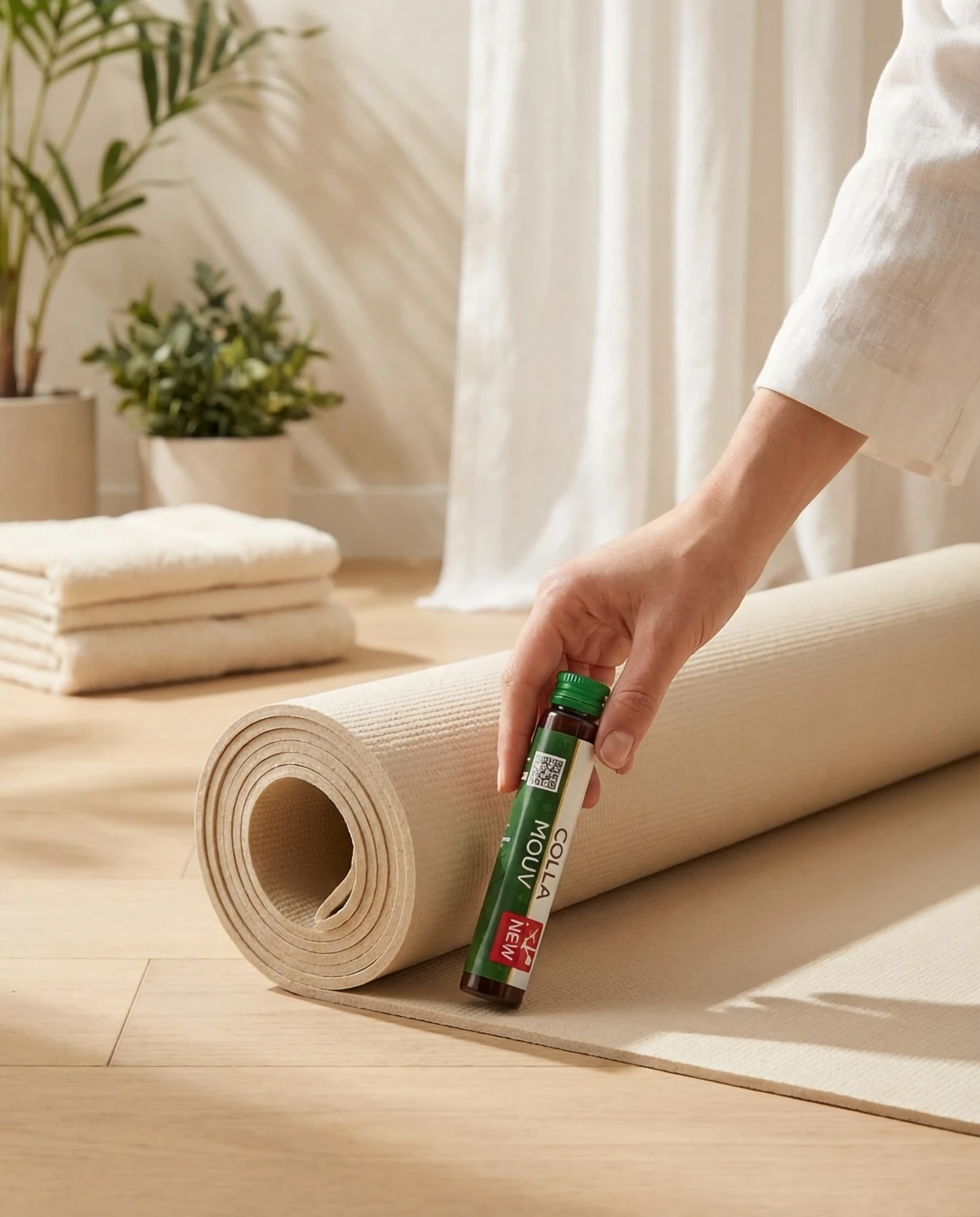
CollaMouv® provides 10 g of hydrolysed collagen peptides per daily serving and holds Canadian Natural Product Number 80110229. Its authorised use states: “Helps to reduce joint pain associated with osteoarthritis.”
Health Canada recommends use for at least five months to assess beneficial effects. This authorisation should not be understood as a promise of a cure or evidence of cartilage regeneration.
A comprehensive approach
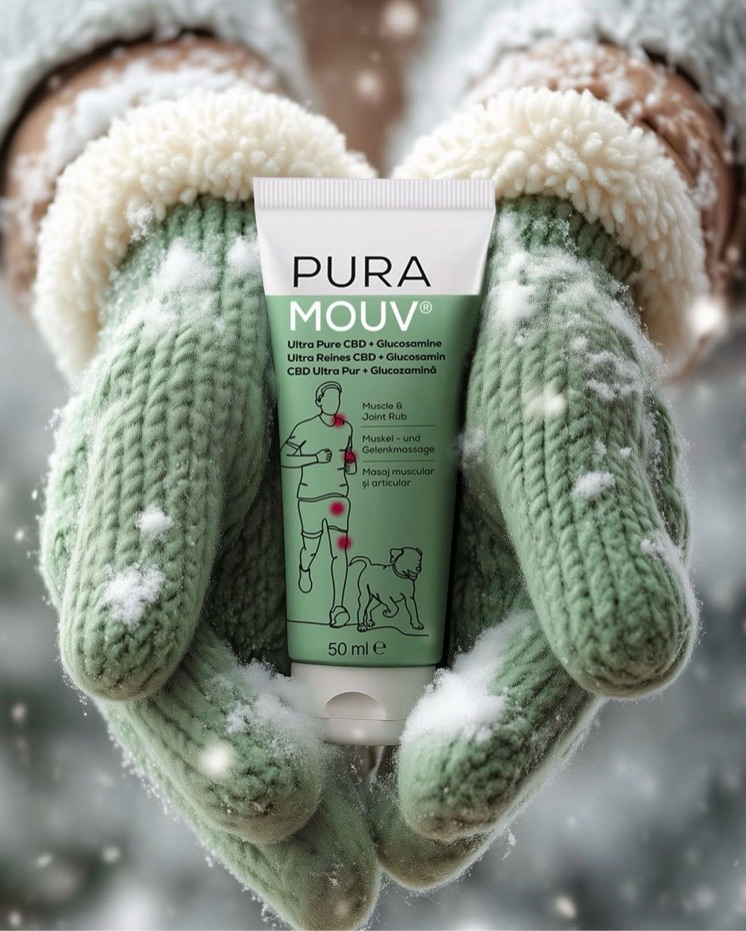
Long-term joint health combines regular movement, healthy body weight, a balanced diet, scientifically selected nutrients, consistent routines and, where appropriate, topical care such as PuraMouv®.
Osteoarthritis does not necessarily prevent an active and fulfilling life. An early, individually tailored strategy can help maintain function and quality of life.
Sources
- Hunter DJ, Bierma-Zeinstra SMA. Osteoarthritis. The Lancet. 2019;393:1745–1759.
- Kolasinski SL et al. ACR Guideline for Osteoarthritis. Arthritis Care & Research. 2020.
- Bannuru RR et al. OARSI Guidelines. Osteoarthritis and Cartilage. 2019.
- Bello AE, Oesser S. Collagen Supplementation for Joint Health. Nutrients. 2023.
- Health Canada. Product Licence No. 80110229 (CollaMouv®).
- Health Canada. Hydrolyzed Collagen Monograph.
This article is for general information only. It does not replace medical diagnosis, advice or treatment.